Information
Landmark: Shanghai MuseumCity: Shanghai
Country: China
Continent: Asia
Shanghai Museum, Shanghai, China, Asia
Overview
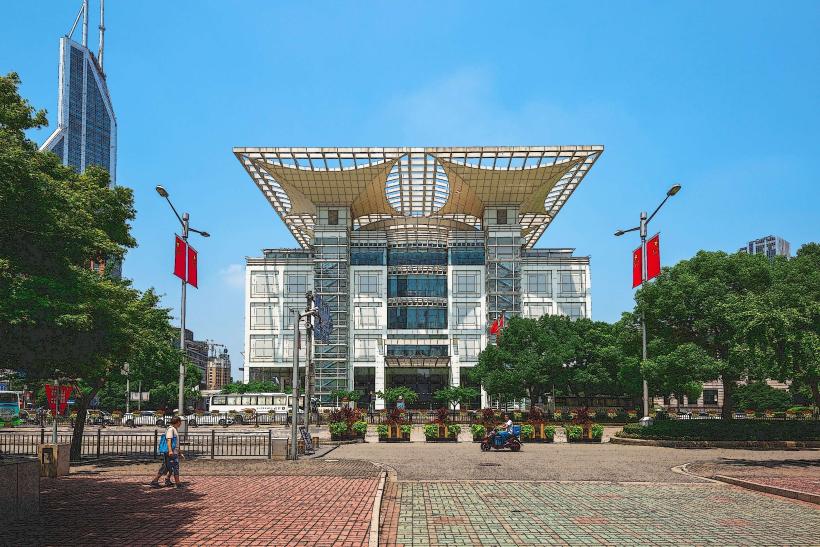
The Shanghai Museum (上海博物馆, Shànghǎi Bówùguǎn) ranks among China’s most pivotal museums, famous for its sweeping collection of Chinese art and cultural treasures, from delicate jade carvings to centuries-aged calligraphy, likewise in the heart of Shanghai’s bustling People’s Square, it stands as both a city landmark and a cultural powerhouse, drawing millions each year to its sparkling halls and echoing galleries.The museum’s best known for its rich collection of Chinese antiquities, from delicate porcelain bowls to sweeping calligraphy, vivid paintings, and weathered bronze vessels, furthermore the Shanghai Museum opened its doors in 1952, though back then it fit inside a modest, much smaller building with worn stone steps at the entrance.As the collection swelled, the museum needed a bigger, more modern space-room enough to shelter its treasures, from gleaming bronze statues to delicate, dust-speckled manuscripts, at the same time in 1996, the museum settled into its innovative home in People’s Square, a fresh stone-and-glass building created to give the swelling collection room to breathe and to welcome the ever-rising tide of visitors, in some ways The museum’s architecture stands as a masterpiece, from its sweeping glass façade to the warm glow of stone at sunset, while the East China Architectural Design & Research Institute created the building with a striking circular form, echoing the “round heaven” of traditional Chinese cosmology.Its solid square base stands for “earth,” a reminder of the ancient belief that heaven and earth exist in perfect balance, and the building’s exterior is sleek and modern, clad in cool gray granite, while inside, sunlight spills across open spaces and high ceilings that make visitors feel instantly welcome.Sunlight pours through the museum’s wide central atrium, linking the exhibition halls and brightening the air like a warm morning, while the museum’s design captures Shanghai’s swift rise into modernity yet still honors China’s deep cultural roots, like the gentle curve of a tiled roof set against gleaming glass walls.If I’m being honest, The Shanghai Museum is famous worldwide for its Chinese ceramics, showcasing pieces from the rough, hand-shaped pots of the Neolithic era to the delicate blue-and-white porcelain of the Ming and Qing dynasties, likewise this remarkable collection ranks among the world’s most complete, displaying pieces that range from rough clay bowls to porcelain so fine it almost glows.It appears, You’ll detect early pottery, vivid Tang Dynasty sancai–glazed ceramics, elegant Song Dynasty porcelain, and Qing Dynasty pieces etched with delicate, lace-like patterns, in conjunction with step inside the museum and trace ceramic artistry from its earliest clay pots to intricate modern designs, a journey unfolding over thousands of years.The museum also showcases a remarkable array of ancient Chinese bronze vessels, some with faint green patina, many of which date back to the Shang and Zhou Dynasties (around 1600 BCE to 221 BCE), then these bronzes served mainly in rituals, the clang of metal echoing through temples, and they offer a glimpse into the dawn of Chinese civilization.The bronze collection holds ritual vessels, bells, and weapons, each one expertly shaped and etched with patterns as delicate as a silk thread, besides these objects offer vivid glimpses into ancient Chinese life-its sacred rituals, intricate art, and the society that shaped them.The museum’s Chinese paintings and calligraphy trace more than 2,000 years of history, from the ink-brushed scrolls of the Han Dynasty (206 BCE–220 CE) to works created in the modern day, and you’ll find classic ink-and-brush paintings alongside Chinese calligraphy pieces, each crafted by celebrated masters whose strokes still seem wet on the page.Visitors can witness celebrated pieces by masters like Wang Xizhi-hailed as the greatest calligrapher in Chinese history-alongside vivid landscapes, lifelike figures, and delicate bird-and-flower scenes, as well as the museum also features modern Chinese art, weaving bold contemporary ideas into the elegance of historic brushwork.Chinese Jade and Decorative Art: At the Shanghai Museum, you’ll find an extraordinary collection of jade-cool to the touch and luminous under the lights-long treasured as one of the most esteemed materials in Chinese art, simultaneously for more than 4,000 years, people shaped jade into ritual objects, fine jewelry, and ornaments that gleamed like cool green glass, generally The museum’s jade collection spans everything from delicate pendants to heavy ritual vessels, each piece showing how jade shaped Chinese culture-from sacred ceremonies to treasures buried in imperial tombs, meanwhile the museum also highlights China’s minority ethnic groups, with exhibits that bring their traditions to life-embroidered festival jackets, hand-carved tools, and other artifacts rich with history, roughly The ethnographic section showcases China’s rich variety of peoples, from the fur-clad nomads of the northern grasslands to the rice-farming communities in the south, along with the distinct traditions and customs of its many indigenous groups, furthermore gems and Precious Stones: The museum showcases a glittering collection of rare gems, including ancient pieces once set into gold necklaces and ceremonial ornaments.These pieces reveal the deep Chinese fascination with gems-their shimmering colors, the cool weight in the hand-and show how they’ve shaped the nation’s art and culture, consequently alongside its permanent collection, the Shanghai Museum often brings in special exhibitions-one month you might witness ancient pottery fresh from an archaeological dig, another month bold contemporary paintings or treasures from distant cultures.These exhibitions often borrow pieces from leading museums across the globe, giving visitors a rare chance to stand inches from treasures they might otherwise only observe in books, not only that the museum uses modern technology to bring its exhibits to life, offering interactive touchscreens and multimedia displays that explain each artifact in detail-tap a screen and a carved stone mask might light up with its history.If I’m being honest, It makes the experience livelier and more informative, especially for kids and anyone modern to Chinese history and art, like someone seeing a silk painting up close for the first time, consequently at the Shanghai Museum, you can dive into all kinds of educational programs and hands-on workshops, whether you’re a curious child tracing patterns on ancient pottery or an adult eager to learn something innovative, roughly These programs let you dive into Chinese culture, explore art techniques, and uncover history through hands-on projects and guided tours that might take you past the scent of fresh ink on rice paper, in turn one of the best things about the Shanghai Museum is that it’s completely free to enter, letting both locals and visitors wander past its bronze drums and ancient scrolls without spending a cent.You’ll need to book your tickets ahead of time, especially when the streets buzz with peak-season crowds, at the same time museum Store and Café: Stop by the gift shop, where shelves brim with books, delicate replicas, and pieces of traditional Chinese art.Visitors can browse shelves lined with souvenirs tied to the museum’s collection, then leave with a tiny piece of Chinese history tucked in their bag, in addition inside the museum, you’ll also find a cozy café where you can pause for a moment, sip a boiling coffee, and nibble on a fresh pastry in a calm, welcoming space.The Shanghai Museum stands among China’s most esteemed institutions, safeguarding centuries of art and history-from delicate bronze vessels to silk paintings-and sharing the nation’s cultural heritage with the world.
Author: Tourist Landmarks
Date: 2025-09-16